
'%3e%3cpath%20fill-rule='evenodd'%20clip-rule='evenodd'%20d='M6%200C10.4183%200%2014%203.58171%2014%207.99999V14.0003C14%2018.4186%2017.5817%2022.0003%2022%2022.0003H122C126.418%2022.0003%20130%2018.4186%20130%2014.0003V8C130%203.58172%20133.582%200%20138%200H6Z'%20fill='%23EDF2E7'/%3e%3c/g%3e%3cdefs%3e%3cfilter%20id='filter0_d_12223_4749'%20x='0'%20y='0'%20width='144'%20height='36'%20filterUnits='userSpaceOnUse'%20color-interpolation-filters='sRGB'%3e%3cfeFlood%20flood-opacity='0'%20result='BackgroundImageFix'/%3e%3cfeColorMatrix%20in='SourceAlpha'%20type='matrix'%20values='0%200%200%200%200%200%200%200%200%200%200%200%200%200%200%200%200%200%20127%200'%20result='hardAlpha'/%3e%3cfeOffset%20dy='8'/%3e%3cfeGaussianBlur%20stdDeviation='3'/%3e%3cfeComposite%20in2='hardAlpha'%20operator='out'/%3e%3cfeColorMatrix%20type='matrix'%20values='0%200%200%200%200.356863%200%200%200%200%200.427451%200%200%200%200%200.270588%200%200%200%200.7%200'/%3e%3cfeBlend%20mode='normal'%20in2='BackgroundImageFix'%20result='effect1_dropShadow_12223_4749'/%3e%3cfeBlend%20mode='normal'%20in='SourceGraphic'%20in2='effect1_dropShadow_12223_4749'%20result='shape'/%3e%3c/filter%3e%3c/defs%3e%3c/svg%3e)
Understanding Gut Health
The saying 'all disease begins in the gut' holds significant truth in modern health understanding. Your gut is home to trillions of microorganisms, collectively
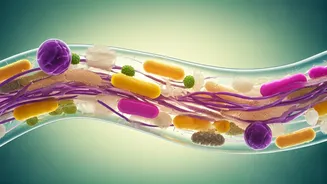
known as the microbiome, which play a crucial role in more than just digestion. These microbes influence your immunity, energy levels, and even your mood. An imbalanced gut, often referred to as dysbiosis, can lead to various health issues. The gut lining itself is porous, acting like a sieve, and when compromised, a condition known as 'leaky gut' can occur. This allows undigested food particles and toxins to enter the bloodstream, potentially triggering an immune response, inflammation, and discomfort. While the existence of 'leaky gut syndrome' is debated, the reality of a permeable gut lining and its impact on overall health is well-documented and has been researched since the 1970s. External factors like chronic stress, pollution, a nutrient-poor diet, and antibiotic use can disrupt the delicate balance of your gut flora, contributing to this permeability.
Foods for a Happy Gut
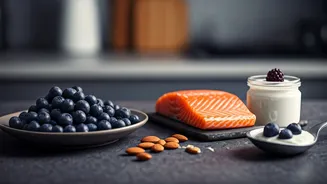
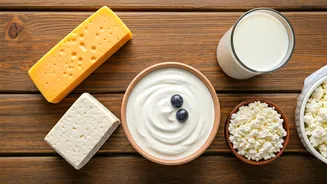
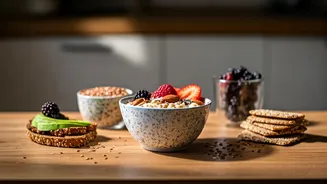
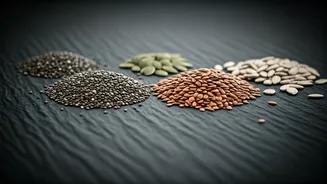
Cultivating a thriving gut ecosystem involves consciously choosing foods that support beneficial bacteria and gut lining integrity. A diet rich in whole foods is paramount. This includes a generous intake of diverse vegetables, vibrant fruits, and hearty whole grains, all of which provide essential fiber and nutrients. Legumes, such as beans, lentils, and chickpeas, are also excellent sources of fiber and protein. Incorporating nuts into your diet offers healthy fats and additional fiber. For a boost of beneficial bacteria, fermented foods are a must. Examples include yogurt, sauerkraut, kimchi, kefir, and homemade fermented vegetables, which are teeming with probiotics. Omega-3 fatty acids, found in fatty fish like salmon and mackerel, as well as in seaweed, are also beneficial for gut health. Furthermore, ensuring adequate protein intake is vital for repairing the gut lining; good sources include eggs, lean meats, poultry, fish, tofu, legumes, nuts, and seeds. Certain key nutrients are also crucial for strengthening the gut barrier, including vitamins A and D, zinc, dietary fiber, resistant starch (found in pears, apples, berries, whole grains, and artichokes), and amino acids like methionine and glutamine, which are abundant in protein-rich foods.
Foods to Limit or Avoid
To foster a healthy gut, it's equally important to identify and reduce the consumption of foods that can disrupt the delicate balance of your gut microbiome or irritate the gut lining. Refined sugars, commonly found in chips, sugary drinks, candy, most breakfast cereals, and even in table sugar derived from cane juice or corn, can feed harmful bacteria and promote inflammation. Artificial sweeteners, often added to 'diet' products, can also negatively impact gut flora. Processed foods, in general, tend to be low in nutrients and high in additives that can be detrimental to gut health. Emulsifiers, such as mono- and diglycerides, polysorbates, carrageenan, guar gum, and canola oil, which are frequently used in processed foods to improve texture and shelf life, have been linked to increased gut permeability. Gliadin, a protein component of wheat and some other grains, can also be a gut irritant for some individuals. Excessive intake of saturated fats, typically found in fatty meats, full-fat dairy, butter, and lard, may also promote inflammation. Similarly, excessive fructose, whether from high-fructose corn syrup or even large amounts of fruit juice, can damage gut lining integrity.
Easy Fermented Vegetables Recipe
Creating your own fermented vegetables is a rewarding way to introduce beneficial probiotics into your diet. Begin by dissolving non-iodized salt in room temperature water – the ratio is typically 2 tablespoons of salt per quart of water, but adjust as needed. Rinse your chosen vegetables thoroughly under filtered or spring water, as chlorinated tap water can hinder fermentation. Pack the vegetables tightly into a clean, dry jar, leaving at least an inch of headspace. Pour the prepared salt brine over the vegetables, ensuring they are completely submerged. If the brine doesn't cover them, add more plain water. Cover the jar securely and let it sit at room temperature for 2 to 3 days. During this time, the vegetables will ferment, and you may see some harmless scum or mold on the surface, which can be skimmed off. Signs of successful fermentation include a pleasant tangy smell and taste. Once fermented to your liking, transfer the jar to the refrigerator, where the vegetables will last for a month or longer. Always use a clean utensil when serving to prevent contamination.
Fermentation Tips & Tricks
To ensure a successful fermentation of your vegetables, several key tips can make a significant difference. Always use non-iodized salt and un-chlorinated water; spring, distilled, or filtered water is ideal. Thoroughly wash all vegetables under cold water before preparing them. A clean, dry 2-quart jar is a good starting point for most recipes. It's crucial that all vegetables remain submerged beneath the brine to prevent spoilage, as exposure to air can encourage unwanted mold or yeast growth. You can use a weight or a smaller jar filled with water to keep them down. Label your jar with the date you started fermentation to keep track of the process. Fermentation times can vary; they typically happen faster in warmer summer months and can take up to 7 days in winter. Remember that while the top layer exposed to air might develop some surface mold, the contents below the brine, in an oxygen-free environment, should remain safe. If any mold is observed, simply discard that layer. Finally, always use a clean spoon for serving to avoid introducing contaminants from your mouth into the main batch.