Understanding Flour Basics
Wheat flour, a long-standing cornerstone of Indian kitchens, primarily serves as a basic energy source. Its nutritional contribution lies in its carbohydrate
content, which provides essential energy, alongside a beneficial mix of dietary fiber, B vitamins, and vital minerals. It forms the foundation for many traditional dishes, offering a familiar taste and texture. However, as nutritional consciousness grows, particularly concerning protein intake and blood sugar management, alternatives are being explored. Pulse flours, crafted from ingredients like lentils, chickpeas, and peas, present a compelling nutritional profile that warrants a closer examination, prompting questions about whether they offer a healthier alternative or a valuable supplement to our staple wheat.
Pulse Flour's Nutritional Powerhouse
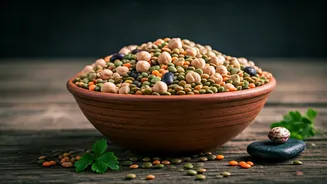
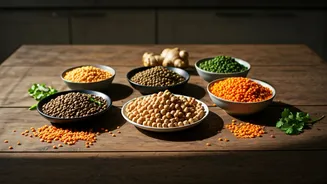
Pulse flours, originating from legumes such as lentils, chickpeas, and peas, stand out due to their significantly higher nutrient density compared to standard wheat flour. They are a treasure trove of plant-based protein, crucial for muscle building, repair, and promoting a prolonged sense of fullness, which can be instrumental in weight management strategies. The abundant dietary fiber content within pulse flours significantly aids digestive processes, fosters a healthier gut microbiome, and plays a critical role in regulating blood sugar levels and managing cholesterol. Furthermore, these flours are rich in essential micronutrients like iron, magnesium, potassium, and folate, all of which are fundamental for optimal energy production and maintaining robust metabolic health. The gradual energy release associated with consuming pulse flour contributes to sustained physical stability throughout the day.
Health Advantages of Pulse Flour
The incorporation of pulse flours into one's diet offers several key health benefits. For individuals striving for better glycemic control, pulse flours are an excellent choice as they possess a lower glycemic index than refined wheat flour. This characteristic leads to a more gradual rise in blood sugar levels after consumption, which is particularly beneficial for those managing diabetes or seeking to prevent blood sugar spikes. The high protein and fiber content also contribute significantly to satiety, helping to curb appetite and potentially support weight management efforts by reducing overall calorie intake. Moreover, for people with celiac disease or gluten sensitivity, most pulse flours are a safe and viable option, as they are naturally gluten-free, providing a delicious alternative to traditional wheat-based products without compromising nutritional value or dietary enjoyment.
Incorporating Pulse Flour Easily
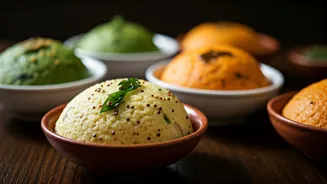
Integrating pulse flours into your everyday cooking is remarkably simple and versatile. They can be readily incorporated into a variety of dishes, enhancing both taste and nutritional value. For instance, pulse flours can be used to prepare staple Indian foods like rotis, dosas, pancakes, and cheelas, offering a protein and fiber boost to these familiar meals. Beyond traditional preparations, they also serve as excellent substitutes or additions in baking recipes for breads, muffins, and cookies, infusing them with added nutrients. A highly effective strategy is to combine pulse flour with wheat flour or other types of flour. This blending approach not only improves the taste and texture of the final product but also maximizes the nutritional benefits, creating a more well-rounded and health-promoting meal option.
Mindful Consumption and Considerations
While pulse flours offer substantial health advantages, mindful consumption is essential to fully harness their benefits and avoid potential drawbacks. Consuming excessive amounts of pulse-based flour might lead to digestive discomforts such as bloating, gas, and abdominal unease, primarily due to their fermentable carbohydrate content. Some pulse flours also contain anti-nutrients like phytates, which can interfere with the absorption of essential minerals if consumed in very large quantities without proper preparation. To mitigate these effects, it is advisable to introduce pulse flours gradually into the diet, ensure they are thoroughly cooked, and maintain a balanced intake as part of a varied diet. Individuals with specific legume allergies should exercise caution and consult with a healthcare professional before incorporating pulse flours into their meals to ensure they avoid triggering allergic reactions.