Roasted vs. Fried
Many traditional snacks, particularly those popular in India, are prepared through deep-frying. This method often involves excessive oil and refined carbohydrates,
which can lead to rapid surges in blood glucose levels. A more beneficial approach involves opting for snacks that are dry-roasted. Roasting preserves essential nutrients and significantly reduces the intake of unhealthy fats and calories. This culinary shift ensures that you can enjoy a satisfying crunch and flavor without the detrimental impact on your blood sugar, making it a cornerstone of a diabetic-friendly diet.
Protein Plus Fiber
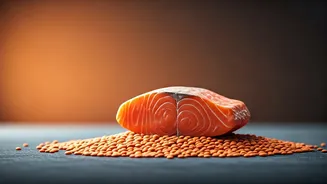
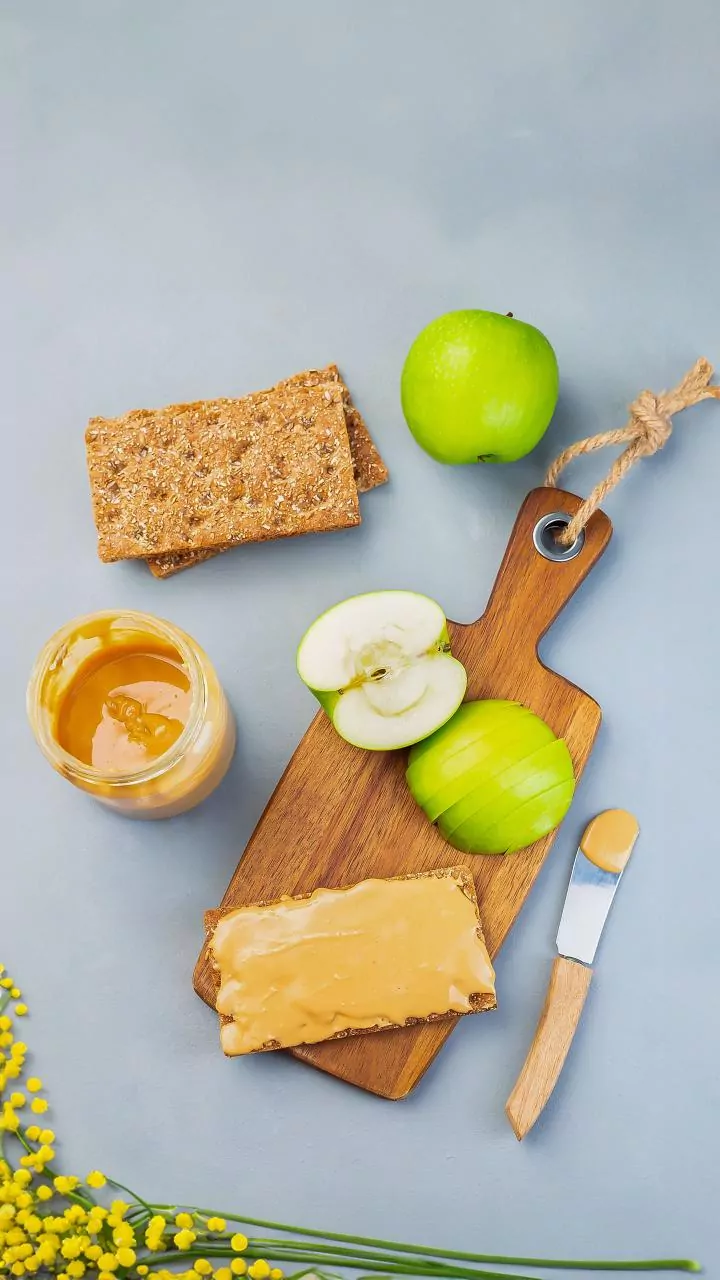
Consuming snacks composed solely of refined carbohydrates, such as simple crackers or white bread, can cause your body to quickly convert them into glucose, leading to abrupt spikes in blood sugar. To mitigate this effect, it's crucial to pair carbohydrates with sources of protein and fiber. This combination works to slow down the absorption of sugar into your bloodstream, promoting a more gradual and stable rise in glucose levels. Furthermore, the synergistic effect of protein and fiber helps you feel fuller for longer, effectively curbing unnecessary hunger pangs and preventing overeating later in the day.
Mindful Portions
Even snacks that are inherently healthy can contribute to blood sugar fluctuations if consumed in excessive amounts. The key to managing this lies in diligent portion control. Instead of indulging directly from a large container, consider utilizing smaller, pre-portioned packs or serving your snack into a small bowl. This visual cue helps in regulating how much you eat, preventing overconsumption and ensuring that even nutrient-rich snacks do not inadvertently lead to an unwanted spike in blood glucose levels, promoting mindful eating habits.
Natural Sweetness
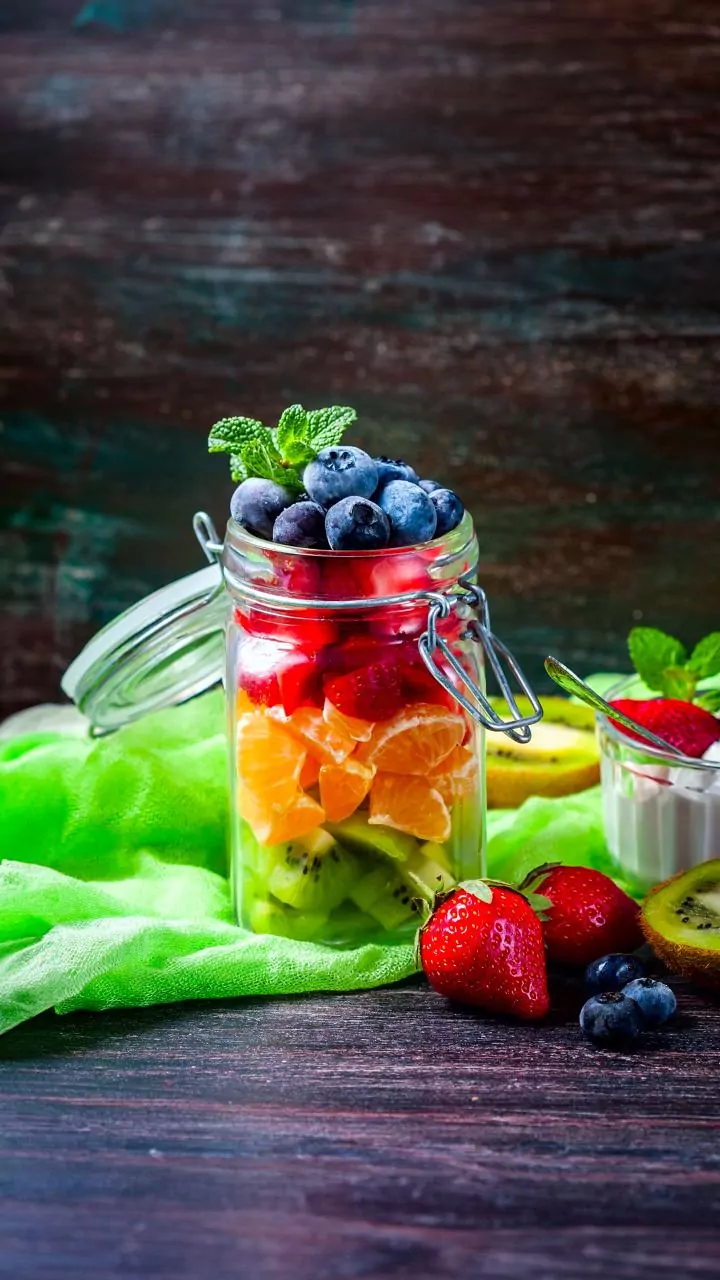
Completely abstaining from sweet treats can often backfire, leading to intense cravings and eventual binge eating of high-sugar items. A more sustainable strategy involves satisfying your sweet tooth with naturally occurring sugars found in fruits and other wholesome ingredients. This approach allows you to enjoy a sense of sweetness without the detrimental effects of refined sugars. By choosing snacks that incorporate ingredients like dried apricots or cranberries, you can effectively manage cravings while opting for a lower glycemic impact, thereby supporting better blood sugar control.
Low Glycemic Choices
The Glycemic Index (GI) is a critical measure that indicates how rapidly a particular food can elevate your blood glucose levels after consumption. For individuals managing diabetes, prioritizing foods with a low GI score, generally considered to be 55 or below, is paramount. These low-GI foods are digested and absorbed more slowly, leading to a gentler and more sustained release of energy without causing sharp peaks and subsequent crashes in blood sugar. Making consistent choices of low-GI snacks ensures more stable energy levels throughout the day.
Hydrate First
It is a common misconception that thirst is always perceived as hunger. Often, the body's signals for hydration can be mistakenly interpreted as a desire to eat. Before reaching for a snack, try drinking a glass of water or a cup of herbal infusion. Waiting for about 15 minutes after hydrating can help clarify whether you are truly hungry or simply need fluids. This simple habit can prevent unnecessary snacking, conserve calories, and contribute to overall well-being and metabolic function.
Diverse Grains
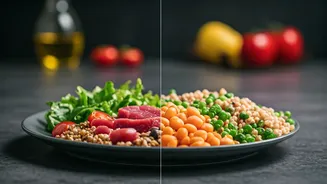
Consistently consuming the same few food items daily can lead to a monotonous diet and potential nutritional deficiencies. To maintain a balanced intake of essential vitamins and minerals, it is beneficial to rotate the types of grains, seeds, and legumes incorporated into your snacks. Incorporating a variety of nutrient-dense options such as different millets, quinoa, and various seeds ensures a broader spectrum of nutrients and keeps your palate engaged, making healthy eating an enjoyable and sustainable practice over the long term.