
'%3e%3cpath%20fill-rule='evenodd'%20clip-rule='evenodd'%20d='M6%200C10.4183%200%2014%203.58171%2014%207.99999V14.0003C14%2018.4186%2017.5817%2022.0003%2022%2022.0003H122C126.418%2022.0003%20130%2018.4186%20130%2014.0003V8C130%203.58172%20133.582%200%20138%200H6Z'%20fill='%23EDF2E7'/%3e%3c/g%3e%3cdefs%3e%3cfilter%20id='filter0_d_12223_4749'%20x='0'%20y='0'%20width='144'%20height='36'%20filterUnits='userSpaceOnUse'%20color-interpolation-filters='sRGB'%3e%3cfeFlood%20flood-opacity='0'%20result='BackgroundImageFix'/%3e%3cfeColorMatrix%20in='SourceAlpha'%20type='matrix'%20values='0%200%200%200%200%200%200%200%200%200%200%200%200%200%200%200%200%200%20127%200'%20result='hardAlpha'/%3e%3cfeOffset%20dy='8'/%3e%3cfeGaussianBlur%20stdDeviation='3'/%3e%3cfeComposite%20in2='hardAlpha'%20operator='out'/%3e%3cfeColorMatrix%20type='matrix'%20values='0%200%200%200%200.356863%200%200%200%200%200.427451%200%200%200%200%200.270588%200%200%200%200.7%200'/%3e%3cfeBlend%20mode='normal'%20in2='BackgroundImageFix'%20result='effect1_dropShadow_12223_4749'/%3e%3cfeBlend%20mode='normal'%20in='SourceGraphic'%20in2='effect1_dropShadow_12223_4749'%20result='shape'/%3e%3c/filter%3e%3c/defs%3e%3c/svg%3e)
Mindful Eating Matters Most
The crucial aspect of weight management often overlooked is our internal eating cues. Many individuals consume food based on habit, emotional triggers,
or boredom rather than genuine physical hunger. Home-cooked meals can easily be overeaten if they're used as a coping mechanism for stress or emotional discomfort. Nutritionist Saloni emphasizes that cultivating the ability to pause, assess your hunger levels, and cease eating once comfortably satisfied is frequently more impactful than adhering to rigid diet rules. While homemade dishes are inherently superior for our well-being, this alone doesn't guarantee a reduction in weight. Genuine progress emerges from a harmonious blend of mindful portioning, judicious cooking techniques, sufficient protein and fiber intake, consistent physical activity, and a deep respect for the body's natural hunger signals. When these components are integrated effectively, home-cooked food truly fulfills its intended purpose: to nourish, satisfy, and support enduring health.
Calorie Content Beyond Control
The belief that home-cooked food automatically equates to weight-friendly meals is a pervasive misconception. While preparing food at home grants you command over the ingredients used, it doesn't inherently reduce the calorie count. Meals crafted in your own kitchen can easily be as calorie-laden as those purchased from outside establishments. The excessive use of oil, ghee, butter, or cream, often added without precise measurement, can subtly elevate a dish's calorie density far beyond what your body requires. Furthermore, portion size plays an undeniably significant role. When food is homemade, there's a natural tendency to serve larger portions, assuming it's inherently safe. The habit of taking second helpings, even of nutritious items, can accumulate over time, leading to a steady increase in weight. It’s essential to remember that the quantity consumed, regardless of the food's origin, directly impacts caloric intake.
The Nuances of Calories
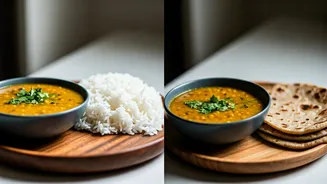
A common fallacy is that all calories exert the same influence on the body, irrespective of their source. In reality, the origin of calories significantly impacts their effect. According to nutritionist Saloni, a meal composed primarily of refined carbohydrates, even when prepared at home, can cause rapid blood sugar spikes, leading to premature hunger. Conversely, a well-balanced meal incorporating protein, fiber, and healthy fats promotes prolonged satiety. Home-cooked dishes rich in white rice, refined flour, or potatoes, even if freshly made, can contribute to fat accumulation if they dominate the diet and displace essential protein and vegetable components. Understanding that not all calories are created equal is vital for making informed dietary choices that support weight loss objectives and sustained well-being.
Subtle Habits Undermining Progress
Weight gain is rarely attributable to a single food item. More often, it's the cumulative effect of small, repeated daily habits. These include frequent snacking between meals, habitual tasting of food while cooking, finishing leftovers to avoid waste, and consuming meals late at night. Each of these practices can contribute unnoticed calories to your daily intake. Additionally, the role of physical activity cannot be overstated. Consuming home-cooked food does not negate the impact of prolonged periods of sitting. A sedentary lifestyle can significantly slow down metabolism, meaning that even a moderate calorie intake can result in surplus energy being stored as body fat. Integrating regular movement is as critical as making mindful food choices for effective weight management.
Cooking Methods Impact
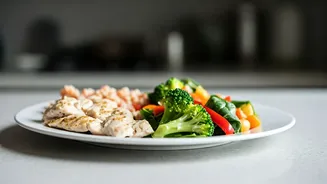
The method by which food is prepared holds as much significance as the ingredients themselves. Techniques such as deep-frying, excessive tempering with spices and oil, or slow cooking with large quantities of fat can fundamentally alter the nutritional value of otherwise healthy ingredients. Saloni highlights that vegetables can lose vital nutrients when submerged in fat, and lentils become calorie-dense when seasoned generously with oil. To preserve nutrients and prevent the intake of unnecessary calories, consider adopting healthier cooking approaches. Opt for grilling or lightly sautéing vegetables instead of deep-frying. Embrace steaming as a cooking method to retain maximum nutrients. Pressure cooking meals is another efficient technique that requires less oil and cooks food quickly, further aiding in nutrient retention and reducing overall calorie absorption.